Barnabas and the Ministry of Encouragement
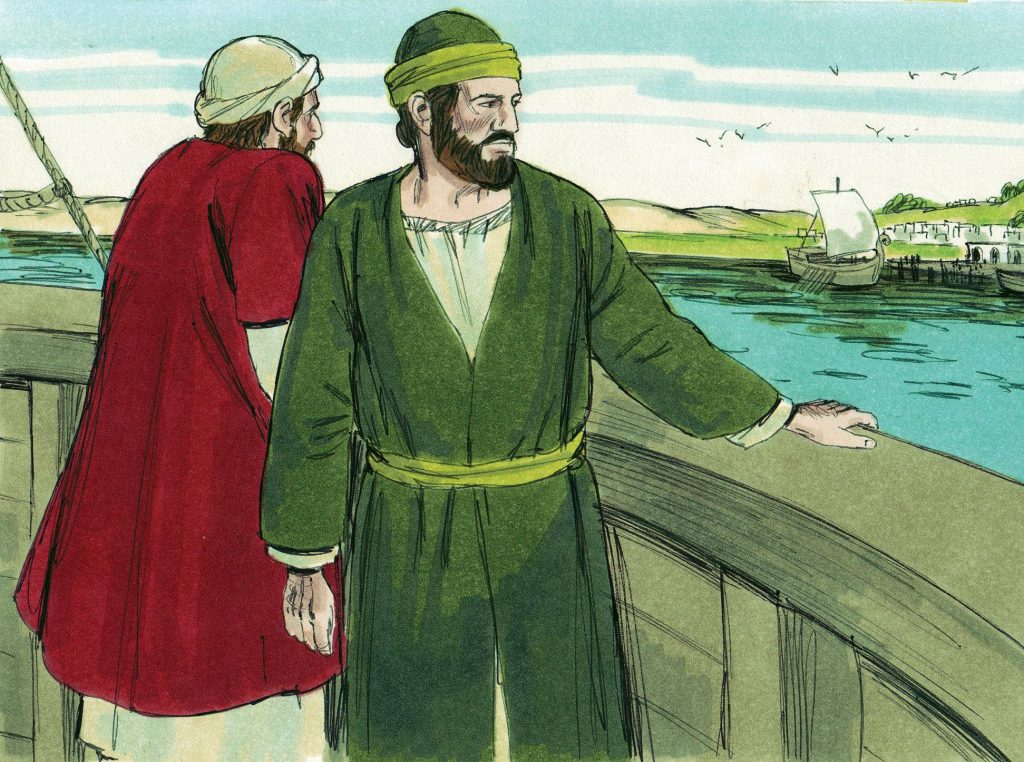
Podcast: Play in new window | Download
Welcome to Builders of the Early Church.
In this series, we’re taking time to walk alongside the men and women who helped shape the earliest days of Christianity, not as distant heroes, but as real people whose lives still speak into ours.
Each week, we’ll step into their world, explore their struggles, and consider what their faithfulness might teach us about living a true Christian life today.
So, wherever you’re listening from, I’m glad you’re here. Let’s spend a little time walking with…Barnabas
Opening Invitation
There are people in history who change the world in ways that are loud, visible, and impossible to miss.
And then there are people who change the world quietly… by changing people.
Today I want to spend some time walking with one of those quiet world-changers.
His name was Barnabas.
Now Barnabas isn’t usually the first name people think of when they think about the early church. His writings aren’t included in the New Testament. He wasn’t part of the original twelve disciples. He doesn’t dominate the spotlight the way some others do.
But without Barnabas… the early church might have looked very different.
And if you’ve ever wondered whether encouragement really matters… whether supporting someone else’s calling is just as important as having one of your own… then his life speaks directly to that question.
So today, let’s step back into the earliest days of Christianity and spend a little time walking beside Barnabas.
The Story Begins
The first time we meet Barnabas is in the Book of Acts, during a remarkable season in church history.
The church is brand new. Jesus has risen. Pentecost has happened. Thousands of people are coming to faith. The message of Christ is spreading rapidly… but it’s also fragile. These believers are figuring things out as they go. There are cultural tensions, trust issues, and growing pains everywhere.
Into that environment, Scripture introduces us to a man whose original name was Joseph.
But the apostles gave him a nickname.
They called him Barnabas… which means “Son of Encouragement.”
That alone tells us something powerful about his character. Imagine living in such a way that your entire identity becomes associated with lifting other people up.
Barnabas was originally from Cyprus. He was a Levite, which means he came from a priestly background. He likely had education, spiritual training, and status. But what stands out immediately isn’t his pedigree… it’s his generosity.
We’re told he sold a piece of land and gave the money to support the early believers.
Not to gain attention.
Not to gain authority.
Simply because he believed in what God was doing.
That moment quietly establishes a pattern in Barnabas’ life.
He invested in people.
He invested in the mission.
And he did it without needing recognition.
The Turning Point — Seeing What Others Could Not See
But the moment that truly defines Barnabas happens later… and it involves someone whose name would eventually become very famous.
Saul.
The man who would later be known as Paul.
At this point in history, Saul was not admired. He was feared. He had actively persecuted Christians. He had approved of violence against believers. His reputation was terrifying.
Then Saul experiences a dramatic encounter with Christ and converts to Christianity.
And here’s the problem…
Nobody trusts him.
The early believers are convinced this is a trick. They think Saul is pretending in order to infiltrate the church.
And honestly… their fear makes sense.
This is where Barnabas enters the story in one of the most beautiful acts of spiritual leadership in the New Testament.
Barnabas personally goes to Saul.
He listens to his testimony.
He believes his conversion is real.
And then Barnabas does something incredibly risky…
He brings Saul to the apostles and vouches for him.
Barnabas is essentially saying:
“I know his past… but I also see what God is doing in him now.”
That moment changed church history.
Because without Barnabas, Saul may never have gained acceptance among believers. Without acceptance, Paul’s missionary work may never have unfolded the way it did. And without Paul’s missionary work, the spread of Christianity to the Gentile world may have looked very different.
One encourager… helped release one of the greatest missionaries in Christian history.
A Second Moment of Encouragement
Later, the church in Jerusalem hears that something extraordinary is happening in a city called Antioch. Gentiles, people outside Jewish tradition, are coming to faith in large numbers.
The church sends Barnabas to investigate.
And what does Barnabas do when he arrives?
Scripture says he rejoices when he sees the grace of God at work.
He doesn’t resist it.
He doesn’t control it.
He celebrates it.
And then… Barnabas realizes the church in Antioch needs help teaching and guiding these new believers.
So he goes and finds Saul… and invites him into ministry partnership.
Again, Barnabas is opening doors for someone else.
Again, he is building people.
The Honest Struggle, When Good Leaders Disagree
One of the things I appreciate about Barnabas is that Scripture doesn’t present him as flawless. It presents him as faithful… but human.
Later in Acts, Barnabas and Paul have a sharp disagreement about a young helper named John Mark.
John Mark had previously abandoned a missionary journey, and Paul wasn’t ready to trust him again. Barnabas wanted to give him another chance.
The disagreement became so strong that Barnabas and Paul actually separated and continued ministry in different directions.
Now, it would be easy to read that and feel disappointed.
But I actually think this moment reveals something deeply important.
Barnabas remained consistent with who God created him to be.
He believed in restoration.
He believed in second chances.
He believed people could grow beyond failure.
And history suggests Barnabas may have been right… because John Mark later becomes a valuable ministry leader and is traditionally associated with writing the Gospel of Mark.
Once again… encouragement shaped the future.
The Spiritual Insight
When I look at Barnabas’ life, I can’t help but notice something that we sometimes overlook in modern Christianity.
Encouragement is not a secondary spiritual gift.
Encouragement is kingdom strategy.
Barnabas never dominates center stage. But he repeatedly strengthens the people who do. He creates space for others to flourish. He recognizes potential before it becomes visible.
And I wonder sometimes if the church today underestimates how powerful that kind of ministry really is.
Some people preach.
Some people lead organizations.
Some people plant churches.
And some people… quietly hold the entire mission together by strengthening the hearts of others.
The Comparison Layer
When we compare Barnabas to other early church leaders, we start to see how beautifully God uses different personalities.
Paul becomes the bold missionary and theological architect.
Peter becomes the restored shepherd who leads publicly.
James becomes the stabilizing voice of wisdom for the church.
But Barnabas…
Barnabas becomes the one who helps each of them step into their calling.
God didn’t need Barnabas to be Paul.
God needed Barnabas to be Barnabas.
And the church was stronger because of it.
Walking With This Today
So maybe this is a gentle place for reflection.
Maybe some of us are wired more like Barnabas than we realize.
Maybe you’re the one who sees potential in people others overlook.
Maybe you’re the one who naturally encourages others when they’re doubting themselves.
Maybe you’re the one who invests quietly… without applause… without recognition… simply because you believe God is working in someone else’s life.
And if that’s you… Barnabas reminds us that this is not small ministry.
It is transformational ministry.
And maybe another question is worth considering…
Who might God be asking you to believe in right now?
Who might need someone to stand beside them and say,
“I see what God is doing in you.”
Closing Reflection
Barnabas doesn’t leave us with dramatic sermons or long theological letters.
He leaves us with a life that shows us something deeply Christlike.
Jesus constantly saw people others overlooked.
Jesus constantly restored people others rejected.
Jesus constantly invested in people who would carry the mission forward.
Barnabas followed that same pattern.
And maybe today, as we reflect on his life, we simply ask God to help us become people who build others up… who recognize grace when we see it… and who are willing to invest in the future of someone else’s faith.
Let’s take a quiet moment to consider where God might be inviting us into that kind of encouragement.
As we close today, remember, God built His Church through different personalities, different gifts, and different callings.
The same Spirit who worked in Barnabas is at work in us today.
May we be faithful in our moment, just as they were faithful in theirs.
Until next time, let’s keep learning what it means to live a true Christian life.